

Conversations You Should Be Having
Eliza Feller • February 7, 2022

Planning ahead and having important conversations is absolutely necessary at any age, for a variety of topics.
- Have you begun to think about your wishes for medical care in an emergency or as you age?
- Have you spoken with your doctor to understand the nuances of different types of emergency care under different circumstances?
- If you're younger, what plans do you need to make now to ensure you have enough long-term care funds available?
- What are your wishes for where and how you live as you age, with consideration given to how that decision will impact and possibly burden family caring for you? And what can you realistically afford?
- Do you have clearly delineated checkpoints for reassessing your living situation, health care decisions, or other important parts of your life should specific events occur (should walking difficulties, self care issues, memory issues, etc. arise)?
- Have you given someone the authority to handle your healthcare and/or financial decisions should something happen to you?
- Do you have a will or is a judge going to determine how your assets should be split among survivors?
- If you have a will, is it somewhere your family can find it?
- Have you met with a professional to best determine how your assets are handled as your end of life housing and medical needs change?
- Have you sat down with a funeral director to talk through all the options and make decisions?
This a brief overview. Unfortunately, we've seen a lot of people put these decisions off until it is too late. It's important to keep in mind that you can make changes to these decisions. What you decide now about healthcare or living situations can be reevaluated along the way. The good news is there are professionals, resources, and organizations available to help.
Check out these articles as a starting point:
- 16 Things Smart People Do for End of Life Planning
- Advance planning hasn’t improved end-of-life care, some experts say. They’re getting pushback. [Spoiler Alert - it depends whether or not you involve medical professionals in the process]
- Real Estate Matters: Readers offer ideas on end-of-life planning
- Death Teaches Important Lessons About Life
AARP also has many articles and online resources for end-of-life planning (FYI, you do not need to be 50 or older to join AARP and use their member benefits)
Much more goes into planning a funeral than people realize. Join us for an online presentation about all the decisions that need to be made, and the importance of having this conversation ahead of time .
Please join us for an engaging evening of learning about improving end-of-life experiences.
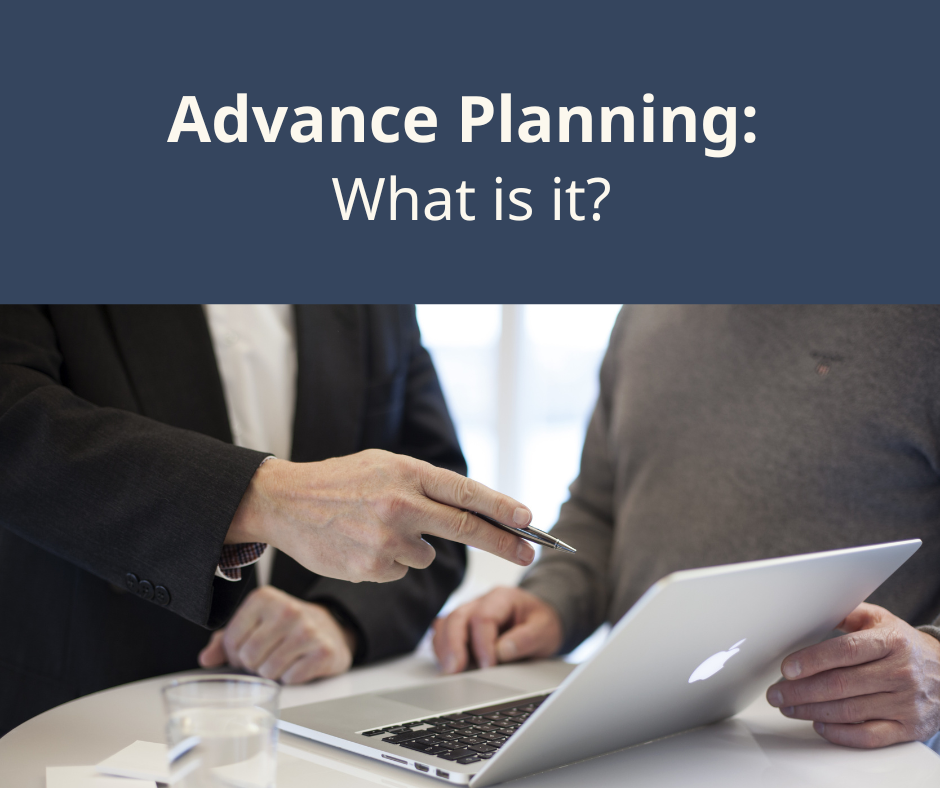
Much more goes into planning a funeral than people realize. Join us for an online presentation about all the decisions that need to be made, and the importance of having this conversation ahead of time .
Much more goes into planning a funeral than people realize. Join us for an online presentation about all the decisions that need to be made - and the importance of having this conversation ahead of time .
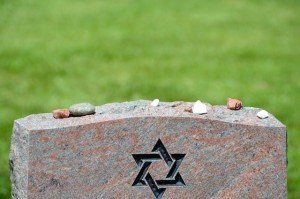
Holiday seasons are always challenging, whether a loved one has died in the past year or if it has been many years since they've been gone. As we approach the holidays of Rosh Hashanah, Yom Kippur, and Sukkot, there are many opportunities to honor someone's memory and acknowledge the loss you have experienced. Intentionally planning to incorporate some of these practices helps us gain the most benefit from this special time of the year. All of the following are open to adjustment based on your needs. Visit the grave of a loved one - Many people plan to visit a grave before Rosh Hashanah and/or between Rosh Hashanah and Yom Kippur. Some use it to "tell" their loved one everything that has happened the past year, or just spend some time at the cemetery. If you always did the crosswords together, sat and read, or something similar, there's no reason you can't do that at the cemetery. Plan an activity - Whether with family or on your own, do something that reminds you of the person. Cook a favorite dish, go for a hike or to a sporting event, volunteer at an organization they supported, attend a concert or the theater. Even if you do this solo, telling friends or family about it is a way to share that tradition with others. Seek out companionship - Not everyone has surviving family, they are not always nearby, or you may not be in touch with them. Whether you reach out to extended family or get together with the family you've created through friendships, commit to spending a little time with others. Share with them some of the activities mentioned above, memories of your loved one, or just a meal and some time together. Make a donation - Donate to a charity your loved one supported, or one dedicated to researching a cure for whatever illness they may have had. Attend a yizkor service - The yizkor memorial service takes place during two of the high holyday services. The first is on Yom Kippur, which falls on September 25. The second is on Shemini Atzeret (in non-Reform congregations), which falls on October 7. Service times vary by congregation and most are posted on their websites. Light a memorial candle - It is customary to light a small yahrzeit candle the evening before the yizkor services (the evenings of September 24 and October 6). Candles can typically be found in the kosher food section of most grocery stores and in synagogue gift shops. Honor your survival - No relationship is perfect. Sometimes there is residual anger over hurtful relationships, the cause of someone's death, unresolved interpersonal issues, et cetera. You are not expected to grieve a certain way, and some people are grieving more than a death. Whether you would benefit from a night away, a massage, a bucket list activity, a small but meaningful purchase - or some other way of acknowledging your specific grief - take some time to grant yourself compassion and honor for whatever point you've reached on your journey. As always, please don't hesitate to reach out to us about our Grief Support programs . The State of Maryland also has a page with links to Grief and Loss Resources . *If you are having a mental health crisis, please go to your nearest emergency room or call 911.*

What decisions should you make ahead of time - for housing needs and funeral options - to ease the financial and emotional burdens on your family? Join us to find out! Thursday, September 28, 2023 7-8:30 pm Atrium Village 4730 Atrium Ct, Owings Mills 21117 Presenters: BethAnn Talbot, Family Ally at Compassionate Ally Eliza Feller, Director of Advance Planning at Levinson's Funeral Home Curious about the decision-making process for finding loved ones independent, assisted living and memory care forever homes? Interested in the myriad options that go into funeral preplanning? Looking to find ways to control the financial impact on your family of these future needs? We look forward to covering these topics in a pressure-free environment. Dessert and refreshments will be served. RSVP here by Friday, September 22 or 410-653-8900 Sponsored by Atrium Village, Compassionate Ally, and Sol Levinson Funeral Home.

What do you need to decide on before making an appointment to preplan a funeral or end-of-life ceremony?
You might be surprised.
Click to watch a short video with our recommendations.

Check out our short video on what our Advance Planning Specialists think is the most important consideration when preplanning.

Perhaps you're just starting to think about preplanning and don't know what it's about. Or you made some prearrangements in the past but things have changed since then.
Check out our short video overview on what Advance Planning entails. We're pretty sure it's less intimidating than you think.
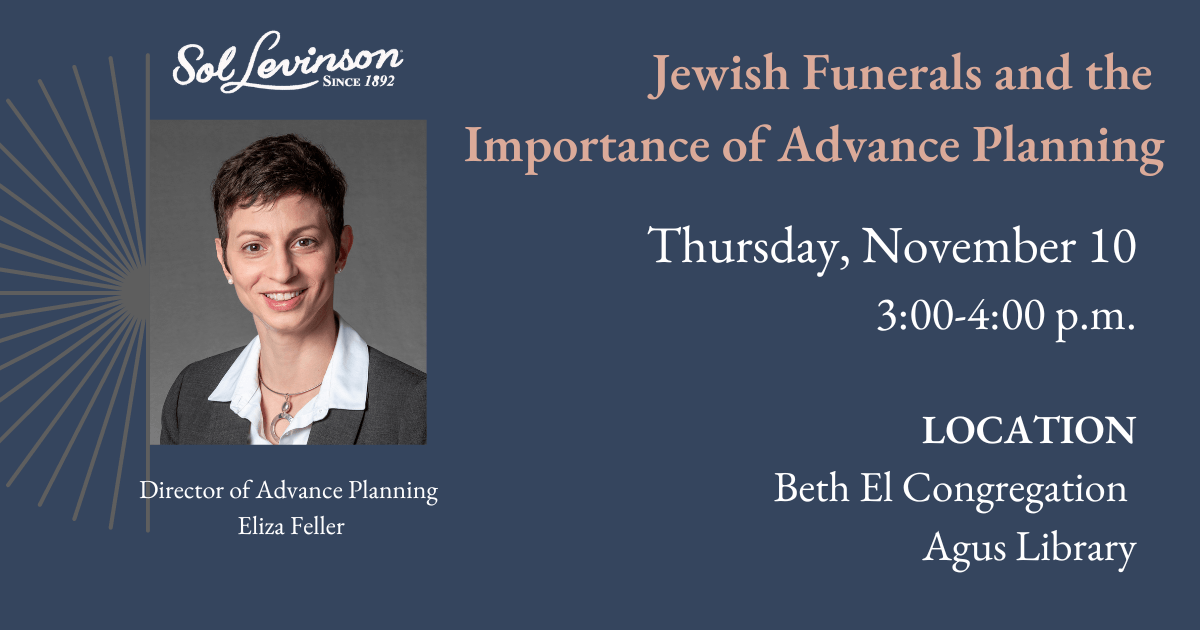
Thursday, November 10 3:00-4:00 p.m. Registration required LOCATION Beth El Congregation, 8101 Park Heights Avenue, Baltimore, MD 21208 Agus Library Are you curious about long-standing funeral traditions, tales you’ve been told about who can be buried where or how, and modern options for end-of-life ceremonies? Join Levinson’s Director of Advance Planning, Eliza Feller, to learn about the decisions that go into planning a funeral and why advance planning can make an overwhelming time significantly easier on your family. Bring the questions you’ve always hesitated to ask - whether basic logistics, unusual circumstances, or simple curiosity. This event is hosted by the Rabbi Mark G. Loeb Center for Lifelong Learning at Beth El Congregation. As this is part of Beth El 's educational series, registration is required at https://www.bethelbalto.com/adults Beth El's fees for attendance are $18 for Beth El Congregation members and $36 for non-members